Mar 11, 2026
Refrigerated Containers and Polar Box: efficient solutions for temperature-controlled logistics
Reliable solutions for temperature-controlled transport, storage and logistics
By Giulia Gervasini
3 mins
When it comes to transporting or storing temperature-sensitive goods, reliability and operational continuity are essential. In these cases, refrigerated containers and Polar Box provide an effective solution to maintain the cold chain and protect the integrity of the cargo.
Used in the logistics, food, pharmaceutical and industrial sectors, these systems are designed to ensure controlled temperature conditions during both transport and storage, adapting to different operational needs and a wide range of goods.
What refrigerated containers and Polar Box are
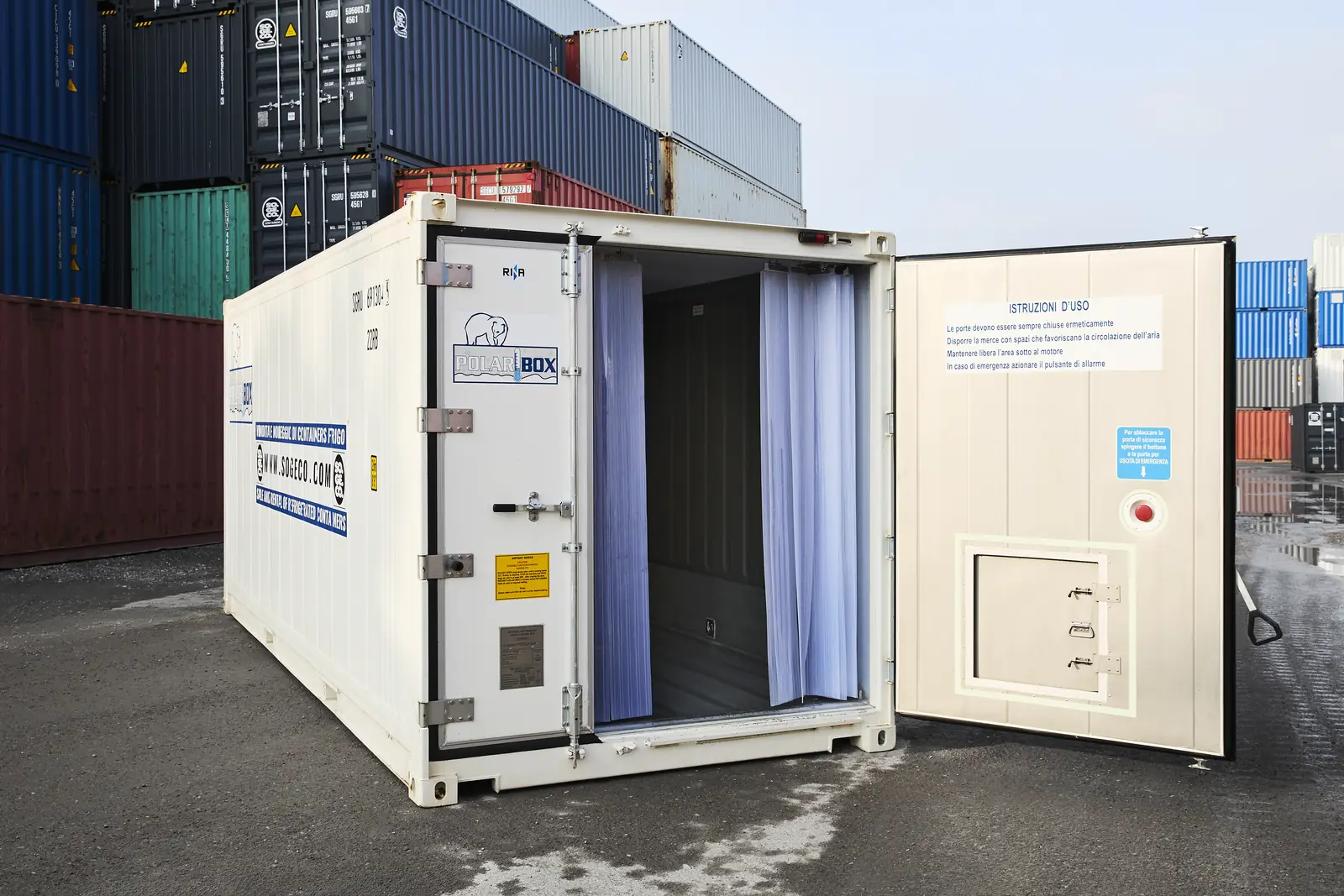
Refrigerated containers, also known as reefer containers, are units equipped with an integrated refrigeration system, designed to maintain a constant temperature throughout the logistics chain.
Polar Box, on the other hand, is a practical and versatile solution for temperature-controlled transport and storage, particularly useful when flexibility, fast operations and reliable thermal protection are required.
Both solutions are suitable for:
- fresh or frozen food products
- beverages
- pharmaceutical products
- materials sensitive to temperature fluctuations
- perishable goods in general
Why choose a temperature-controlled solution
Choosing refrigerated containers and Polar Box means relying on dependable tools for handling goods that require precise thermal conditions. Maintaining the right temperature is essential to preserve product quality, safety and compliance.
The main advantages include:
- constant and controlled temperature
- better protection for sensitive goods
- flexible use for both transport and storage
- operational reliability
- adaptability across different sectors and logistics needs
Refrigerated transport and storage: greater operational flexibility
One of the main strengths of these solutions is their versatility. Refrigerated containers and Polar Box can be used for both temperature-controlled transport and refrigerated storage, giving companies practical support in the day-to-day handling of goods.
They are especially useful for:
- storing perishable products
- managing seasonal peaks in demand
- temporarily increasing refrigerated capacity
- supporting logistics operations in the food or pharmaceutical sectors
- providing a ready-to-use solution that can be easily integrated into operations
Rental or purchase: the right solution for your needs
For refrigerated containers and Polar Box, it is also important to evaluate whether rental or purchase is the best option.
Rental is ideal for temporary needs, seasonal campaigns, activity peaks or specific projects.
Purchase, on the other hand, is more suitable when the solution becomes a stable part of business operations and is intended for continuous use.
The choice depends on factors such as:
- duration of use
- type of goods being transported or stored
- frequency of use
- available budget
- specific operational requirements
The importance of a reliable partner
When it comes to temperature-controlled logistics, it is not only the equipment that matters, but also the quality of the service. Working with an experienced partner means having access to availability, support in choosing the most suitable solution and efficient management of operational requirements.
For companies dealing with sensitive goods, every detail matters. That is why it is essential to choose reliable, flexible solutions that fit their logistics flows.
Refrigerated containers and Polar Box: efficiency and control throughout the cold chain
Today, refrigerated containers and Polar Box are a practical answer for companies handling temperature-controlled products. From refrigerated storage to the transport of perishable goods, they make it possible to work with greater safety, continuity and efficiency.
Whether through rental or purchase, choosing the right solution means protecting the value of the goods and ensuring high standards throughout the cold chain.